Guide email 17
What to do when you get injured
What should you do after an injury on the trail? Start with emotion, trusted mantras, gentle movement, patience, and support.
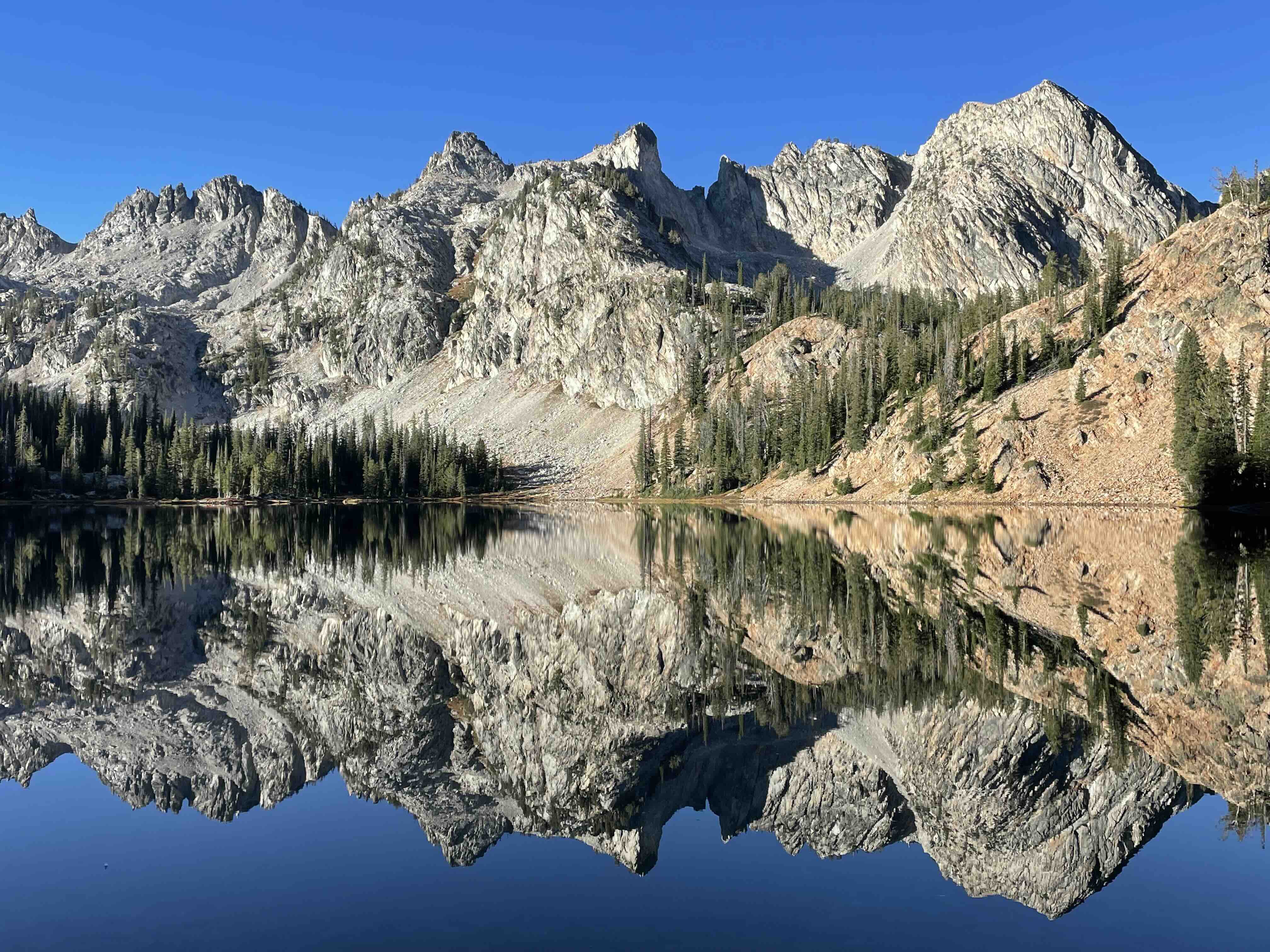
I was in the process of completing one of my big summer goals earlier this week - hiking MT Thompson, the tallest mountain here in the Sawtooths - when a rock slipped out from underneath me on the talus field and I fell hard. I caught myself almost entirely on my right wrist. Initially, I didn’t notice anything, but that night after the hike, my wrist became painful and started to swell.
Whether it's a major injury/illness (like my hip surgeries or chronic illnesses) or something more minor like my sore, swollen wrist, there are some common threads I've learned through my own recovery journey.
First: Don't bottle up those initial emotions.
When something traumatic happens, you're going to get upset. You're going to feel scared and uncertain. A lot of questions are going to run through your mind: How bad is this? Am I going to heal? Will this prevent me from doing what I want to do? Am I always going to deal with this? Is this permanent?
You'll likely have doubt, worry, maybe even anger at yourself—Was I stupid? Why did I do that?
These emotions are perfectly normal, and they make sense. The most significant piece of advice I can give here is: don't bottle them up. Let them come out to yourself and to people you trust.
You can even say, "I know these things are going to be okay, and I know this happens, but I still have these feelings. And that's just how it is.”
Most of the time, you won't initially know how bad it is, unless it's really bad—and then it'll probably be clear. But when you're in that middle ground of "this could be pretty bad or this could not be bad," that's when you can really get in your own head.
Second: Fall back on mantras you can trust.
Some that I like are:
I can handle it.
What if it gets worse? I can handle it.
What if it doesn't change? It always changes.
———
Pain doesn’t always mean injury, injury doesn’t always mean pain.
———
Pain is a request for change.
Third: Movement.
In most scenarios, it's about matching your movement and load to your capacity. Even if you have to keep one area still, how can you move the surrounding areas and your entire body?
It doesn't mean push through pain—it means: what are you capable of in any small way? Do that. This does a lot of good things, including telling your body and brain that movement is still okay and even helps move out swelling.
Fourth: Patience and trust.
Patience, forgiveness, acceptance, gratitude for what you still have, trust. Those feelings of frustration and fear will exist alongside these—and that's just part of being human.
Some tools I like for keeping things moving:
Mobility work
Isometrics
Eccentrics (when you can get to them and you're not too flared up)
Voodoo floss bands
H-wave multi-functional electrical stimulation device (if you're recovering from big surgery—something like this to help get out swelling can make a huge difference)
Your body wants to heal. Your job is to create the best conditions for that to happen.
Stay strong,
Jeff
🥾 Looking for Support on Your Comeback Journey?
If you're rebuilding after injury or illness and want personalized guidance that blends movement and mindset, this is the work I do.
I help hikers and backpackers return to the trail with more confidence, resilience, and trust in their bodies.
👋 Learn more or reach out at jefflindbomwellness.com
Let's figure out your next step, together.