Guide email 9
Why Your Joints Need Movement
A guide teaser on joint health, cartilage repair, and why progressive movement can help knees adapt instead of simply wearing down.
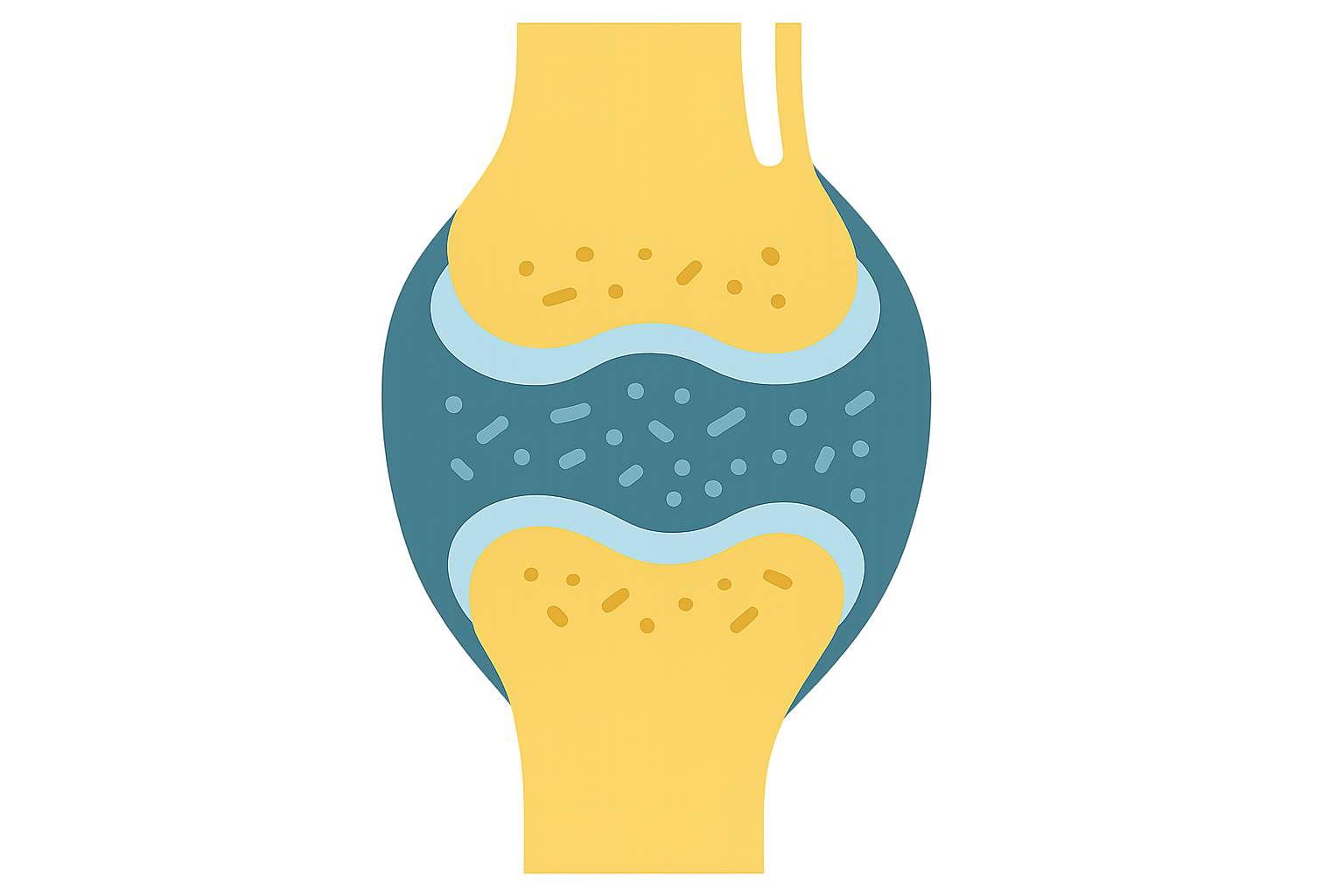
At 22, a doctor told me I'd never run again after diagnosing chondromalacia in my knee.
For the next decade, I lived in cycles—feeling better, then worse, then better again. Eventually diagnosed with severe osteoarthritis in both knees.
But here's what changed everything:
Cartilage isn't just something you wear out. It can actually improve when given the right input.
Unlike most tissues, cartilage has no blood supply. Research shows:
Dynamic loading enhances nutrient diffusion throughout cartilage
Movement activates pathways that determine whether cartilage responds with repair or degradation
The key? Getting the loading right. Too much can cause damage. Too little also has negative effects.
One study showed adult women who started a gradual 10-week running program had measurable improvements in cartilage quality—not just how it felt, but actual internal composition changes.
What made the difference for me wasn't injections or surgery—it was figuring out my movement patterns, getting my loading right, and slowly expanding what I was capable of.
Now I hike and backpack with minimal knee pain. Something I was told would never be possible.
The takeaway: Movement that's progressive, varied, and within tolerance acts like daily fertilizer for your joints.
If you're dealing with joint issues and have been told "that's just how it is"—change is possible.
Check it out here:
Joint Health and Cartilage Repair
Keep moving, Jeff
P.S. Next week: How movement talks to your DNA.
🥾 Looking for Support on Your Comeback Journey?
If you're rebuilding after injury or illness and want personalized guidance that blends movement and mindset, this is the work I do.
I help hikers and backpackers return to the trail with more confidence, resilience, and trust in their bodies.
👋 Learn more or reach out at jefflindbomwellness.com
Let's figure out your next step, together.