Guide email 11
Your Body's Hidden Network
A guide teaser on fascia, force transmission, and why movement helps connective tissue stay supple, responsive, and adaptable.
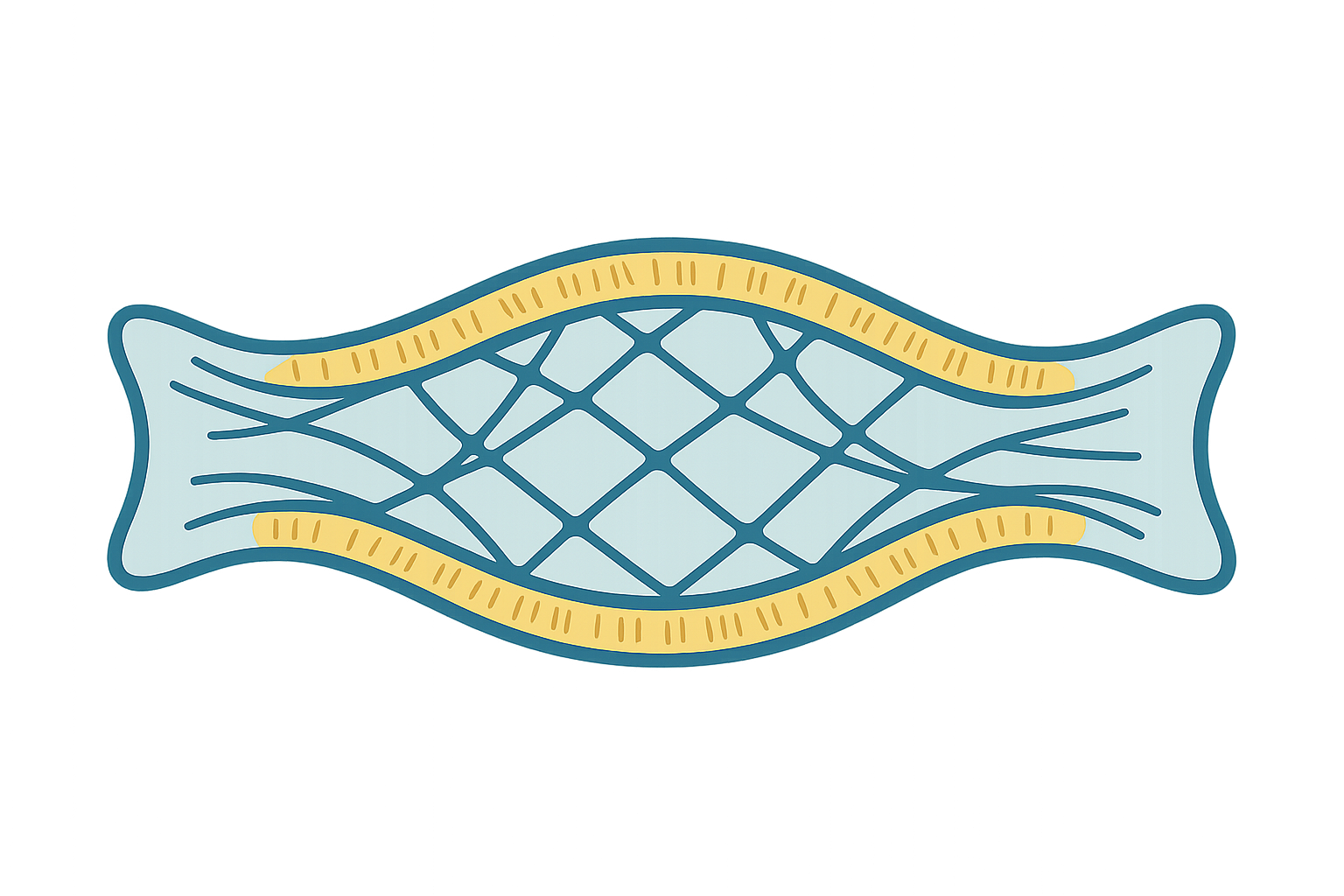
This week in the Wilderness Recovery Guide, we're exploring one of my favorite systems—fascia. It's fascinating because it connects so many different areas, and we can make really powerful changes in it.
What Makes Fascia Special?
Fascia isn't just passive wrapping around your muscles. It's a dynamic system that transmits force throughout your body in connected chains—what researcher Tom Myers calls "anatomy trains."
This is why a tight spot in your calf might show up as neck tension. Everything is connected.
Why This Matters for Your Recovery
Understanding fascia gives us two powerful tools:
1. Force transmission can be redirected. Change tension in one area to move load away from problem spots.
2. Work somewhere else, feel it everywhere. Release tension in one part of an anatomy train to impact a completely different area.
This is why when you're doing myofascial work, you don't just work on the area that's bugging you. You work "upstream and downstream" of the problem.
A Sensor-Rich System
Fascia may contain up to 250 million nerve endings—more than your skin. These sensors impact pain perception and help you sense your body's position and internal signals.
When you work on your fascial system, you're talking directly to your nervous system.
Bottom line: Movement is maintenance for your fascia. Whether it's a hike, a stretch, or a strength session, every bit helps keep your fascia supple, strong, and adaptable.
Check it out here:
See you out there,
Jeff
P.S. If you're having trouble finding that balance between too much and too little movement, reach out. That's exactly what I help people figure out.
🥾 Looking for Support on Your Comeback Journey?
If you're rebuilding after injury or illness and want personalized guidance that blends movement and mindset, this is the work I do.
I help hikers and backpackers return to the trail with more confidence, resilience, and trust in their bodies.
👋 Learn more or reach out at jefflindbomwellness.com
Let's figure out your next step, together.